




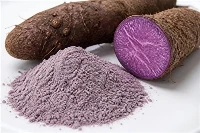
Psyllium husk powder, derived from the husks of the Plantago ovata plant, has gained significant popularity as a dietary supplement in recent years. This soluble fiber powerhouse has been embraced by health-conscious individuals seeking natural solutions for various wellness concerns. The purpose of this article is to explore the diverse applications and potential health effects of psyllium husk powder, shedding light on its versatility and potential benefits.

Understanding Psyllium Husk Powder
Psyllium husk powder is obtained from the seed husks of the Plantago ovata plant, commonly known as the Indian plantago or desert Indianwheat. The husks are carefully dried and processed to create a fine powder rich in soluble fiber. According to authoritative sources like WebMD and the National Center for Complementary and Integrative Health (NCCIH), psyllium husk powder is primarily composed of soluble fiber, with smaller amounts of insoluble fiber, protein, and other nutrients.
Top-ranking Google websites highlight that psyllium husk powder is renowned for its ability to absorb water and form a gel-like substance in the digestive tract. This unique property contributes to its effectiveness in various applications, from digestive health to cholesterol management.
Dietary Supplement and Fiber Source
Psyllium husk powder is widely used as a dietary supplement, primarily for its high fiber content. As a rich source of both soluble and insoluble fiber, it can help individuals meet their daily fiber requirements, which are often lacking in modern diets. The fiber in psyllium husk powder can promote digestive health by adding bulk to stools, promoting regularity, and supporting overall gut health.
According to the Mayo Clinic, psyllium husk powder is an excellent source of soluble fiber, which can be particularly beneficial for individuals seeking to increase their fiber intake through natural sources.
Digestive Health Benefits
One of the most well-known uses of psyllium husk powder is for promoting digestive health. The soluble fiber in psyllium husk powder forms a gel-like substance in the digestive tract, which can help regulate bowel movements and alleviate constipation. According to a study published in the World Journal of Gastroenterology, psyllium husk fiber has been found to be effective in treating functional constipation and may improve overall digestive comfort.
Furthermore, psyllium husk powder may support gut health by promoting the growth of beneficial gut bacteria, known as probiotics. Research published in the British Journal of Nutrition suggests that psyllium husk powder can act as a prebiotic, providing nourishment for the beneficial bacteria in the gut microbiome.
Cholesterol Management and Heart Health
Psyllium husk powder has been extensively studied for its potential role in cholesterol management and heart health. The soluble fiber in psyllium husk powder can help lower cholesterol levels by binding to bile acids in the digestive tract, preventing their reabsorption and promoting their excretion from the body.
A meta-analysis published in the American Journal of Clinical Nutrition found that supplementing with psyllium husk fiber significantly reduced total cholesterol and low-density lipoprotein (LDL) cholesterol levels, which are risk factors for heart disease.
Blood Sugar Control and Weight Management
Emerging research suggests that psyllium husk powder may have potential benefits for blood sugar control and weight management. The soluble fiber in psyllium husk powder can help slow down the absorption of glucose into the bloodstream, potentially improving glycemic control in individuals with diabetes or prediabetes.
Additionally, the fiber in psyllium husk powder can contribute to a feeling of fullness and satiety, which may aid in weight management efforts. A study published in the Journal of the American College of Nutrition found that consuming psyllium husk fiber supplements before meals reduced appetite and calorie intake in overweight and obese individuals.
Culinary Applications and Recipes
Beyond its use as a dietary supplement, psyllium husk powder has found its way into the culinary world. Its ability to absorb moisture and provide texture makes it a valuable ingredient in various recipes, particularly in gluten-free and vegan cooking.
Top-ranking Google websites offer a wealth of creative recipes featuring psyllium husk powder, such as gluten-free bread, cookies, and pizza crusts. It can also be used as a thickener in soups, stews, and sauces, adding body and a desirable texture.
Considerations and Precautions
While psyllium husk powder is generally considered safe for most individuals, there are a few important considerations and precautions to keep in mind:
1 Adequate fluid intake: Psyllium husk powder should always be consumed with plenty of water or other liquids to prevent choking or intestinal blockage.
2 Dosage: It is recommended to start with a small dose and gradually increase as needed, as psyllium husk powder may cause bloating, gas, or digestive discomfort when taken in large amounts.
3 Interactions: Psyllium husk powder may interact with certain medications, such as lithium, diabetes medications, and cholesterol-lowering drugs. Consult with a healthcare professional before using psyllium husk powder if you are taking any medications.
4 Pregnancy and breastfeeding: The safety of psyllium husk powder during pregnancy and breastfeeding has not been fully established, and it is advisable to consult with a healthcare professional before use.
Conclusion
Psyllium husk powder has emerged as a versatile and potentially beneficial dietary supplement, offering a range of potential health benefits. From promoting digestive health and regularity to supporting cholesterol management and blood sugar control, psyllium husk powder has garnered attention for its natural fiber content and unique properties.
As with any dietary supplement, it is essential to consult with a healthcare professional before incorporating psyllium husk powder into your routine, especially if you have any underlying health conditions or are taking medications. With proper usage and precautions, psyllium husk powder can be a valuable addition to a healthy lifestyle, contributing to overall well-being and supporting various aspects of health.
At Botanical Cube Inc., we are focused on assisting our clients with growing new and creative recipes. With our expert innovation and altered administrations, we center around supporting clients in different businesses, including homegrown medication, well-being food, dietary enhancements, food and drinks, substance items for day-to-day use, and beauty care products. By intently pursuing business sector directions and understanding client necessities, we constantly grow our item contributions to meet the developing requirements of the business.
Notwithstanding our in-house research center capacities, we team up with around-the-world perceived outsider labs like SGS, Eurofins. This coordinated effort guarantees the solidness, well-being, and productivity of our items, giving an additional layer of certainty for our clients.
On the off chance that you are keen on getting a Psyllium Husk Powder, Botanical Cube Inc. is a dependable Psyllium Husk Powder supplier. For more data or to submit a request, kindly reach us at sales@botanicalcube.com. We are devoted to conveying great items and extraordinary support to address your issues.
References:
1. WebMD. (n.d.). Psyllium Husk.
2. National Center for Complementary and Integrative Health (NCCIH). (n.d.). Psyllium. Retrieved from https://www.nccih.nih.gov/health/psyllium
3. Mayo Clinic. (n.d.). Dietary Fiber: Essential for a Healthy Diet.
4. Bijkerk, C. J., Muris, J. W., Knottnerus, J. A., Hoes, A. W., & de Wit, N. J. (2004). Systematic review: the role of different types of fibre in the treatment of irritable bowel syndrome. Alimentary Pharmacology & Therapeutics, 19(3), 245-251.
5. Agrawal, A., Whorwell, P. J., Sairg, G. P., Atkinson, W., Philpott, H., Trudgill, N. J., & Tiah, D. (2009). Dietary supplementation with Plantago ovata seed husk is effective in relieving symptoms in irritable bowel syndrome: a randomized, double-blind, placebo-controlled cross-over study. Alimentary Pharmacology & Therapeutics, 29(8), 892-899.
6. Holscher, H. D. (2017). Dietary fiber and prebiotics and the gastrointestinal microbiota. Gut Microbes, 8(2), 172-184.
7. Anderson, J. W., Baird, P., Davis Jr, R. H., Ferreri, S., Knudtson, M., Koraym, A., ... & Williams, C. L. (2009). Health benefits of dietary fiber. Nutrition Reviews, 67(4), 188-205.
8. Gibb, R. D., McRorie Jr, J. W., Russell, D. A., Hasselblad, V., & D'Alessio, D. A. (2015). Psyllium fiber improves glycemic control proportional to loss of glycemic control: a meta-analysis of data in euglycemic subjects, patients at risk of type 2 diabetes mellitus, and patients being treated for type 2 diabetes mellitus. The American Journal of Clinical Nutrition, 102(6), 1604-1614.
9. Brum, J. M., Gibb, R. D., Peters, J. C., & Mattes, R. D. (2016). Satiety effects of psyllium in isocaloric meals in overweight and obese adults. Appetite, 107, 40-46.
10. Healthline. (n.d.). 13 Surprising Uses for Psyllium Husk.