



Over the past decade, we've seen a clear shift in the global wellness industry. As plant-based nutrition and clean-label products gain momentum across Europe and North America, microalgae ingredients like Spirulina and Chlorella are no longer niche-they're becoming mainstream.
From protein powders and functional beverages to detox supplements and even skincare formulations, these two algae are showing up everywhere. According to recent industry data, the global Spirulina market alone is projected to grow at a CAGR of around 9–10% through the early 2030s, driven largely by demand in nutraceuticals and functional foods [1]. Meanwhile, Chlorella is following closely, with a CAGR of approximately 7.9%, especially fueled by the detox and "green nutrition" trend in Western markets [2].
So the question we often get from our partners is simple: What's the real difference between Spirulina and Chlorella-and which one should we choose for our product? Let's break it down step by step.
Biological and Structural Differences
1. Species and Morphology
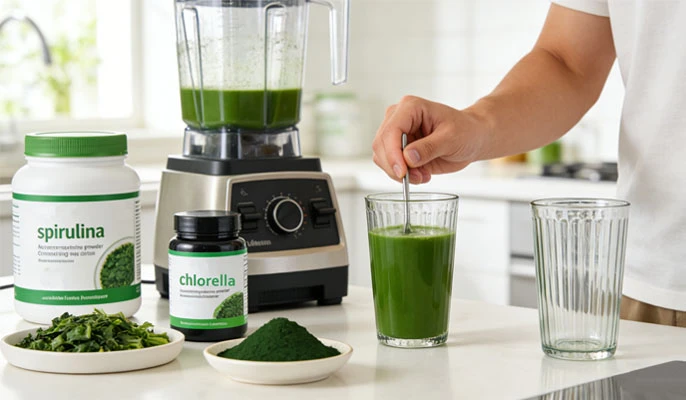
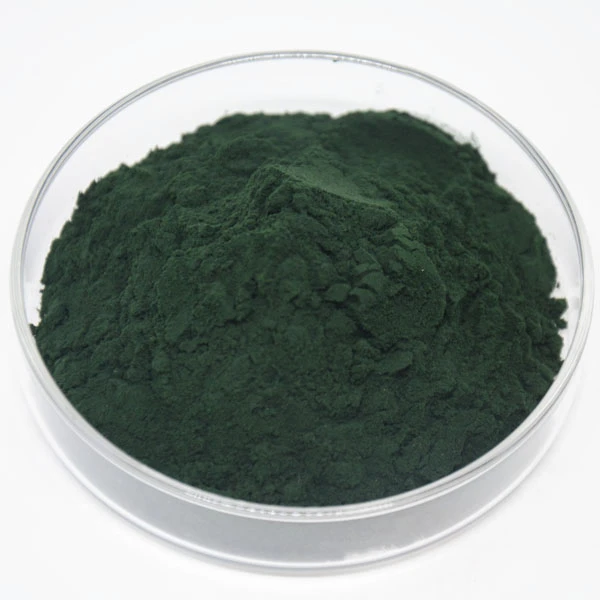
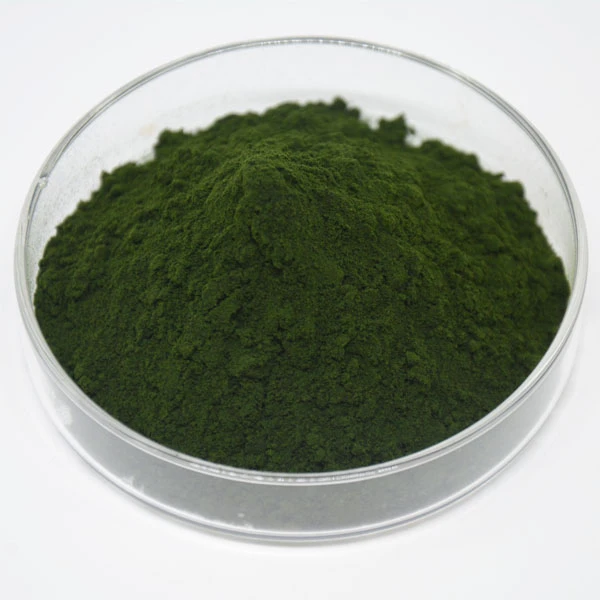
At the most fundamental level, Spirulina and Chlorella are completely different organisms.Spirulina is a type of cyanobacteria (often called blue-green algae). It is multicellular and grows in spiral-shaped filaments.One key advantage is that it does not have a rigid cellulose cell wall, making it naturally easy to digest.Chlorella, on the other hand, is a single-celled green algae. It has a thick, fibrous cellulose cell wall, which protects its nutrients-but also makes them harder to access.
2. Processing Implications: Why "Broken Cell Wall" Matters
From a business perspective, this structural difference directly affects processing and cost.Spirulina can be dried and milled into powder with minimal processing.Chlorella must undergo a "broken cell wall" process to make its nutrients bioavailable.Studies show that without cell wall disruption, the digestibility of Chlorella can be reduced by more than 40%, while properly processed Chlorella significantly improves nutrient absorption [3].This is why when we work with clients, we always emphasize:Not all Chlorella powders are equal-the processing method matters as much as the raw material.
Nutritional and Functional Comparison
When comparing Spirulina and Chlorella from a nutritional perspective, both are considered high-protein microalgae and are widely used in functional foods and dietary supplements. However, their strengths lie in different areas, which is why they are often used for different product positioning rather than being direct substitutes.
1. Protein Content and Amino Acid Profile
Both Spirulina and Chlorella contain a high percentage of plant-based protein. Spirulina typically provides around 60–70% protein by dry weight, while Chlorella usually ranges between 55–65%. This makes Spirulina slightly more attractive for sports nutrition, plant-based protein blends, and meal replacement formulations.
In addition to the higher protein ratio, Spirulina contains a complete amino acid profile and is easier to digest due to its soft cell structure. Chlorella also offers high-quality protein, but its thick cell wall means proper processing is required to fully release and absorb these nutrients.
2. Key Bioactive Compounds
The biggest difference between Spirulina and Chlorella comes from their core bioactive compounds.Spirulina is well known for phycocyanin, a blue pigment with strong antioxidant and anti-inflammatory properties. Research published in the Journal of Medicinal Food showed that phycocyanin can significantly reduce oxidative stress and inhibit inflammatory cytokines such as TNF-α and IL-6, supporting immune health and anti-aging formulations [4]. Because of this, Spirulina is commonly used in immune support products, functional beverages, and natural blue colorant applications.
Chlorella, in contrast, stands out for its high chlorophyll content and Chlorella Growth Factor (CGF). Its chlorophyll level is typically 2–3 times higher than Spirulina, which supports detox and metabolic health positioning [5]. CGF, a complex of nucleic acids and peptides, has been linked to improved immune markers and increased NK cell activity in clinical research, making Chlorella suitable for daily wellness and recovery-focused supplements [6].
3. Detoxification and Heavy Metal Binding
One of Chlorella's most recognized functions is detox support. Its fibrous cell wall structure allows it to bind with heavy metals and environmental toxins, which helps support the body's natural detoxification processes.
A human study conducted in Japan reported that regular Chlorella intake over 12 weeks reduced blood levels of dioxins and heavy metals, highlighting its potential role in detox and liver support formulations [7]. This is why Chlorella is frequently used in detox supplements, gut health products, and daily cleansing formulas.
Overall, Spirulina is often positioned around protein, energy, and immune support, while Chlorella is more commonly associated with detox, chlorophyll, and cellular health, making the two ingredients complementary rather than competitive in many formulations.
Market Trends and Commercial Applications
1. Market Growth and Demand
From what we see across our global clients:
- Spirulina dominates in functional foods and beverages, especially powders and ready-to-drink formats.
- Chlorella is more prominent in tablets and capsules, particularly in detox-focused products.
- Spirulina powder remains the most widely traded format in bulk B2B markets due to its versatility and cost-efficiency [1].
2. Application Landscape
If we map out the application areas, it generally looks like this:
- Dietary Supplements (Tablets/Capsules) → Both Spirulina & Chlorella
- Functional Foods & Beverages → Strong preference for Spirulina
- Cosmetics & Anti-aging → Growing use of both (antioxidant positioning)

Choosing the Right Spirulina and Chlorella Supplier
From our experience working with international brands, sourcing microalgae is not just about price-it's about risk control.
1. Heavy Metal and Environmental Risks
Microalgae are highly efficient at absorbing substances from their environment.
This means:
- Poor-quality cultivation can lead to lead, arsenic, mercury contamination
- Open pond systems vs closed photobioreactors can significantly affect purity
- A comparative study found that controlled cultivation systems can reduce heavy metal contamination risk by over 60% compared to uncontrolled environments [8].
2. Certifications and Compliance
For overseas markets, especially the US and EU, compliance is non-negotiable.These are often baseline requirements for entering large retail or pharmaceutical supply chains.
Key requirements include:
- COA (Certificate of Analysis)
- USDA Organic / EU Organic
- Non-GMO
- Halal / Kosher
Conclusion: How We Recommend Choosing
Based on both scientific evidence and market experience, here's how we usually guide our partners,In many cases, we're also seeing a growing trend of combining both to create more comprehensive formulations.
- If your product focuses on protein, antioxidant support, or natural coloring,
→ Spirulina is the better choice
- If your product focuses on detox, gut health, or cellular repair,
→ Chlorella is more suitable
How We Support Your Product Development
From our side at Botanical Cube Inc., we've spent nearly two decades working with plant-based extracts and microalgae powders.What we focus on is not just supplying ingredients-but helping you build reliable products:
- High-protein Spirulina Powder with stable phycocyanin levels
- Broken Cell Wall Chlorella Powder for improved bioavailability
- Custom specifications for different applications
- Full traceability and third-party testing support
Let's Build Something Together
With the global demand for clean-label, plant-based, and functional ingredients continuing to rise, choosing the right microalgae is more important than ever.If you're exploring Spirulina or Chlorella for your next product-or looking to optimize your current formulation-we're here to help. Contact us anytime:sales@botanicalcube.com.We'd be glad to share detailed specifications, samples, or even help you develop a customized solution tailored to your market.
References
[1] Fortune Business Insights. Spirulina Market Size, Share & Industry Analysis, By Form (Powder, Tablet, Capsule), By Application (Food & Beverages, Nutraceuticals, Cosmetics, Animal Feed), and Regional Forecast, 2024–2032.
[2] Market Research Future. Chlorella Market Research Report: Information by Form, Application (Nutraceuticals, Food & Beverages, Cosmetics), and Region – Forecast till 2030.
[3] Becker, E. W. (2007). Microalgae as a source of protein. Biotechnology Advances, 25(2), 207–210. https://doi.org/10.1016/j.biotechadv.2006.11.002
[4] Romay, C., Armesto, J., Remirez, D., González, R., Ledón, N., & García, I. (2003). Antioxidant and anti-inflammatory properties of C-phycocyanin from blue-green algae. Inflammation Research, 52(7), 299–304.https://doi.org/10.1007/s00011-003-1184-9
[5] Safi, C., Zebib, B., Merah, O., Pontalier, P. Y., & Vaca-Garcia, C. (2014). Morphology, composition, production, processing and applications of Chlorella vulgaris: A review. Renewable and Sustainable Energy Reviews, 35, 265–278.https://doi.org/10.1016/j.rser.2014.04.007
[6] Kwak, J. H., Baek, S. H., Woo, Y., Han, J. K., Kim, B. G., & Kim, O. Y. (2012). Beneficial immunostimulatory effect of short-term Chlorella supplementation: Enhancement of natural killer cell activity and early inflammatory response. Nutrition Journal, 11, 53. https://doi.org/10.1186/1475-2891-11-53
[7]Nakano, S., Takekoshi, H., & Nakano, M. (2007). Chlorella (Chlorella pyrenoidosa) supplementation decreases dioxin and increases immunoglobulin A concentrations in breast milk. Chemosphere, 66(8), 1467–1471.https://doi.org/10.1016/j.chemosphere.2006.06.024
[8]Wijffels, R. H., & Barbosa, M. J. (2010). An outlook on microalgal biofuels. Science, 329(5993), 796–799. https://doi.org/10.1126/science.1189003