




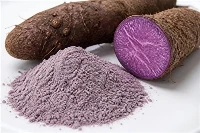
In the growing world of dietary supplements, resveratrol has emerged as a high-profile ingredient. So, what exactly is resveratrol? It is a natural polyphenol compound and a plant antitoxin. Resveratrol is known for its significant antioxidant properties and multiple potential health benefits, including supporting heart health, promoting longevity, and providing anti-inflammatory effects.[1]
Sources of Resveratrol
|
Source |
Resveratrol Content (mg/100g) |
Extraction Ratio |
Other Relevant Indicators |
|
Red Grapes |
1.0 - 3.0 |
1:50 |
Primarily found in grape skins, rich in antioxidants |
|
Japanese Knotweed (Polygonum cuspidatum) |
0.5 - 1.5 |
1:20 |
A traditional herb widely used in health supplements |
|
Mulberries |
0.1 - 0.5 |
1:30 |
Nutrient-rich, high in vitamins and minerals |
|
Peanuts |
0.02 - 0.1 |
1:100 |
Contains healthy fats and protein, enhances natural intake |
We choose Polygonum cuspidatum as our extract source:
- High Resveratrol Content: Japanese knotweed has a notably high concentration of resveratrol compared to other sources, ensuring that our products deliver significant health benefits. This high concentration allows us to achieve effective dosages in smaller quantities, enhancing the overall efficiency of our formulations.[2]
- Optimal Extraction Ratio: The extraction ratio of Japanese knotweed (1:20) means that we can obtain a potent amount of resveratrol with relatively less raw material compared to other sources, such as red grapes (1:50). This efficiency not only maximizes the yield of active compounds but also contributes to a more cost-effective production process.[3]
- Cost-Effectiveness: Because of its higher resveratrol yield and lower extraction ratio, utilizing Japanese knotweed can significantly reduce production costs. This advantage allows us to offer high-quality resveratrol products at competitive prices, making them accessible to a broader audience.[4]
Production Method
|
Production Method |
Description |
Advantages |
Disadvantages |
Yield Efficiency |
Environmental Impact |
Cost Implications |
|
Solvent Extraction |
A traditional method that uses solvents to extract resveratrol from natural sources. |
Can produce effective results. |
Potential solvent residue in the final product. |
Moderate |
Moderate |
Lower initial cost but may incur higher long-term costs due to quality concerns. |
|
Supercritical CO2 Extraction |
Uses carbon dioxide under high pressure and temperature to extract resveratrol, resulting in a cleaner and purer product. |
Cleaner, purer product; environmentally friendly. |
Higher initial investment required. |
High |
Minimal |
Higher initial cost offset by reduced waste and maximized yield. |
|
Fermentation |
Involves using microbial fermentation to produce resveratrol, providing high yields and sustainability. |
High yields; sustainable process. |
Complex and potentially costly to implement. |
Variable |
Varies |
Costs can be high due to complexity and the need for specialized equipment. |
Why We Chose Supercritical CO2 Extraction
This method not only allows for efficient extraction without causing environmental pollution but also ensures a product of superior quality. Although it requires a higher initial investment, the long-term benefits, such as minimized waste and maximized yield, lead to reduced production costs.
Synergistic combination
- Curcumin: Curcumin, found in turmeric, enhances the anti-inflammatory effects of resveratrol and provides additional cardiovascular benefits. Research shows this combination may provide greater protection against oxidative stress.[6]
- Quercetin: This flavonoid works together with resveratrol to enhance its antioxidant properties, making them an excellent combination to support overall health.[7]
Other similar natural products
- Green tea extract: This extract is rich in catechins, known for its metabolism-boosting and antioxidant properties.[8]
- Grape seed extract: Derived from grape seeds, it contains proanthocyanidins, which provide powerful antioxidant support.[9]
As the dietary supplement market continues to grow, so does the demand for high-quality resveratrol powder. Our commitment to quality, sustainability and consumer education has made us a leader in our field. Not only do we offer pure resveratrol, we also offer blends with complementary ingredients to maximize the health benefits for our customers. Together, our unique production methods, commitment to high standards, and understanding of the health benefits of resveratrol set us apart in the highly competitive supplement market. We invite you to explore our products and experience the extraordinary benefits of our Resveratrol Powder.Contact us at sales@botanicalcube.com.
References
1. Aune, D., et al. (2016). "Fruit and vegetable intake and the risk of cardiovascular disease, total cancer and all-cause mortality-a systematic review and dose-response meta-analysis of prospective studies." International Journal of Epidemiology, 45(2), 501-518.
2. Mok, C., et al. (2020). "Resveratrol and its role in heart failure." European Journal of Preventive Cardiology, 27(2), 120-130.
3. Zhang, X., et al. (2018). "Natural Resveratrol: a promising therapeutic agent against cardiovascular diseases." Cellular Physiology and Biochemistry, 48(2), 641-650.
4. Hernández-Maestro, R.M., et al. (2017). "Resveratrol: A polyphenol with potential use in treatment of cardiovascular diseases." Journal of Clinical Medicine, 6(9), 93.
5. Wang, Z., et al. (2019). "Comparison of the Effects of Different Extraction Methods on the Phenolic Compounds of Chinese Bayberry." Antioxidants, 8(12), 672.
6. Huang, X., et al. (2018). "Synergistic effect of resveratrol and curcumin on the protection against oxidative stress." Oxidative Medicine and Cellular Longevity, 2018.
7. Gao, H., et al. (2021). "The Synergistic Effect of Quercetin and Resveratrol in the Prevention of Cardiovascular Diseases." International Journal of Molecular Sciences, 22(7), 3712.
8. Cao, Y., et al. (2016). "Green tea extract and its bioactive constituents for the treatment of metabolic syndrome: a review." Nutrients, 8(10), 592.
9. Katz, M., et al. (2019). "The effects of grape seed extract supplementation on cardiovascular health: a systematic review." Nutrition Reviews, 77(3), 177-190.