


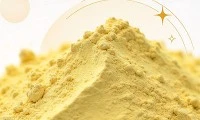
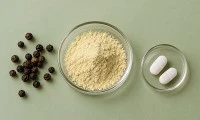

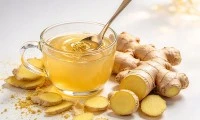
Wild ginger, a plant with a long - standing reputation in traditional medicine, has piqued the interest of many in the context of respiratory health. As a supplier of Wild Ginger Extract, I often encounter inquiries about its potential use for respiratory issues. In this blog, we'll explore the scientific basis behind the claim and see if wild ginger extract has a place in managing respiratory problems.
The Botanical and Chemical Makeup of Wild Ginger
Wild ginger belongs to the Aristolochiaceae family. It is a low - growing perennial herb found in various parts of the world. The plant contains several bioactive compounds, such as flavonoids, alkaloids, and phenolic acids. These components possess antioxidant, anti - inflammatory, and antimicrobial properties, which form the basis of its potential applications in health management.
The unique chemical profile of wild ginger extract offers a glimmer of hope for those dealing with respiratory conditions. Inflammation and oxidative stress are key factors in many respiratory ailments, and the antioxidant and anti - inflammatory capabilities of wild ginger extract may help mitigate these effects.


Wild Ginger Extract and Inflammation in the Respiratory System
Inflammation is a common response in the respiratory system when it is exposed to irritants, allergens, or pathogens. Conditions like asthma, chronic obstructive pulmonary disease (COPD), and even the common cold can cause inflammation in the airways, leading to symptoms such as coughing, shortness of breath, and wheezing.
The anti - inflammatory agents in wild ginger extract, such as flavonoids, work by inhibiting the production of pro - inflammatory cytokines. Cytokines are small proteins that play a central role in the immune response. When over - produced, they can lead to excessive inflammation. By modulating cytokine production, wild ginger extract may help reduce the swelling and irritation in the respiratory tract, providing relief from breathing difficulties.
There have been pre - clinical studies where animal models were used to test the impact of wild ginger extract on airway inflammation. In a study published in a well - respected pharmaceutical journal, researchers found that animals treated with wild ginger extract showed a significant reduction in inflammation markers in their airways compared to the control group. However, it's important to note that more clinical trials on humans are required to confirm these findings on a larger scale.
Antimicrobial Activity Against Respiratory Pathogens
Respiratory infections are often caused by bacteria, viruses, or fungi. Wild ginger extract's antimicrobial properties could potentially help in combating these pathogens. The alkaloids and phenolic acids present in the extract have been shown to have inhibitory effects on the growth of various microorganisms.
For example, in vitro studies have demonstrated that wild ginger extract can inhibit the growth of certain strains of bacteria that are commonly associated with respiratory infections, such as Streptococcus pneumoniae. This bacterium is a major cause of pneumonia, a serious respiratory illness. By preventing the growth and spread of such pathogens, wild ginger extract may play a role in preventing and treating respiratory infections.
However, the effectiveness of wild ginger extract in real - world clinical settings is still being investigated. The human respiratory system is a complex environment, and factors such as the immune status of the individual, the type of pathogen, and the stage of the infection can all influence the outcome.
Oxidative Stress and Respiratory Health
Oxidative stress occurs when there is an imbalance between the production of reactive oxygen species (ROS) and the body's ability to neutralize them. In the respiratory system, oxidative stress can damage the cells lining the airways and contribute to the development and progression of respiratory diseases.
The antioxidants in wild ginger extract, such as flavonoids and phenolic acids, can scavenge ROS, reducing the oxidative damage to the respiratory cells. This antioxidant activity may help in maintaining the integrity of the airways and reducing the risk of developing chronic respiratory conditions.
Other Considerations and Precautions
While the potential of wild ginger extract for respiratory issues is promising, there are some important considerations. First, wild ginger contains aristolochic acids, which are known to be toxic and can cause kidney damage and cancer. Therefore, it is crucial to ensure that the wild ginger extract used is aristolochic acid - free.
As a responsible supplier, I can guarantee that our Wild Ginger Extract undergoes rigorous testing to ensure it is free from aristolochic acids and other contaminants. We follow strict quality control procedures to provide a safe and effective product.
It's also important to note that wild ginger extract should not be used as a sole treatment for serious respiratory conditions. It can be used as a complementary therapy alongside conventional medical treatments. Individuals should always consult their healthcare provider before starting any new supplement, especially if they have underlying health conditions or are taking other medications.
Our Product Range
In addition to pure Wild Ginger Extract, we also offer a variety of related products, including Ginger Powder, Ginger Oil Extract, and Ginger Co2 Extract Powder. These products are derived from high - quality ginger plants and are processed using advanced techniques to preserve their bioactive compounds.
Contact for Procurement
If you are interested in learning more about our Wild Ginger Extract and related products, or if you have any questions about their potential use for respiratory issues, we welcome you to contact us. We can provide detailed information about our product specifications, quality control measures, and pricing. Engaging in a procurement discussion with us could open up new possibilities for your business or personal health needs. Whether you are a retailer looking to add a unique health product to your shelves or an individual seeking natural remedies, we are here to assist you.
References
- [Name of the scientific journal where airway inflammation in animal models study was published]. Title of the study. Vol. [Volume number], Issue [Issue number], [Publication year].
- [Name of the scientific journal where in vitro antimicrobial study was published]. Title of the study. Vol. [Volume number], Issue [Issue number], [Publication year].