



Black pepper, a staple in kitchens around the world, is not only a popular spice but also a source of a valuable extract with potential health and therapeutic benefits. As a supplier of high - quality Black Pepper Extract, I often receive inquiries about its suitability for use in massage oils. In this blog, we'll explore the properties of black pepper extract, its potential benefits in massage, and the considerations when using it in massage oil formulations.
Properties of Black Pepper Extract
Black pepper extract is derived from the dried fruit of the Piper nigrum plant. The main active compound in black pepper extract is piperine, which gives black pepper its characteristic pungency and is responsible for many of its biological activities.
Piperine has been studied for its antioxidant, anti - inflammatory, and analgesic properties. It can help to increase blood circulation, which is beneficial for various health conditions. When applied topically, it may have a warming effect on the skin, similar to other counter - irritants.
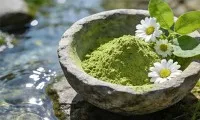
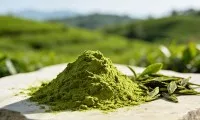
There are different forms of black pepper extract available, such as Black Peppercorn Extract Powder, Pure Piperine Powder, and Black Pepper Extract 95% Piperine. Each form has its own concentration of piperine and other bioactive compounds, which can affect its potency and application in massage oils.


Potential Benefits of Black Pepper Extract in Massage
Improved Blood Circulation
One of the key benefits of using black pepper extract in massage oils is its ability to enhance blood circulation. When massaged into the skin, the piperine in black pepper extract can cause vasodilation, which means the blood vessels widen. This increased blood flow can bring more oxygen and nutrients to the muscles and tissues, promoting their recovery and reducing muscle soreness. For athletes or people who engage in strenuous physical activities, a massage with black pepper extract - infused oil can be a great way to soothe tired muscles and speed up the recovery process.
Pain Relief
Black pepper extract has analgesic properties, which can help to alleviate pain. It can act on the nerve endings in the skin, reducing the perception of pain. This makes it useful for massages targeting areas with chronic pain, such as lower back pain, joint pain, or muscle spasms. The warming sensation provided by the extract can also have a numbing effect on the pain receptors, providing temporary relief.
Anti - inflammatory Effects
Inflammation is a common cause of pain and discomfort in the body. Piperine in black pepper extract has been shown to have anti - inflammatory effects by inhibiting the production of inflammatory cytokines. When used in massage oils, it can help to reduce inflammation in the muscles and joints, which is beneficial for conditions like arthritis or sports injuries.
Relaxation
The aroma of black pepper can have a stimulating and invigorating effect on the mind. During a massage, the combination of the physical manipulation and the scent of black pepper extract can help to relax the body and relieve stress. It can also improve mental clarity and focus, making it a great addition to a massage session for those who are feeling stressed or fatigued.
Considerations When Using Black Pepper Extract in Massage Oils
Skin Sensitivity
Black pepper extract can be quite potent, and some people may have sensitive skin that reacts to it. Before using a black pepper extract - infused massage oil on a large area of the body, it's important to perform a patch test on a small area of skin, such as the inner forearm. Wait for 24 hours to see if there is any redness, itching, or irritation. If a negative reaction occurs, it's best to avoid using the oil or dilute the extract further.
Concentration
The concentration of black pepper extract in the massage oil is crucial. Using too high a concentration can cause skin irritation, while too low a concentration may not provide the desired benefits. It's recommended to start with a low concentration, such as 1 - 2% of the total volume of the massage oil, and gradually increase it if needed. Different forms of black pepper extract may have different potencies, so it's important to follow the manufacturer's guidelines when formulating the oil.
Compatibility with Other Oils
Black pepper extract should be compatible with the carrier oil used in the massage oil. Common carrier oils include sweet almond oil, jojoba oil, and coconut oil. These oils have different properties, such as viscosity and absorption rate, which can affect the overall performance of the massage oil. It's important to choose a carrier oil that is suitable for the client's skin type and the intended use of the massage oil.
Formulating a Black Pepper Extract - Infused Massage Oil
Here is a simple recipe for formulating a black pepper extract - infused massage oil:
Ingredients:
- 100 ml of sweet almond oil (a popular carrier oil)
- 2 ml of Black Pepper Extract 95% Piperine
- 3 drops of lavender essential oil (optional, for added relaxation)
Instructions:
- Pour the sweet almond oil into a clean, dark - colored glass bottle.
- Add the black pepper extract to the bottle.
- If using lavender essential oil, add it to the bottle as well.
- Close the bottle tightly and shake well to ensure that the extract and essential oil are evenly distributed in the carrier oil.
This recipe can be adjusted according to personal preferences and the specific needs of the client.
Conclusion
Black pepper extract can be a valuable addition to massage oils, offering a range of potential benefits such as improved blood circulation, pain relief, anti - inflammatory effects, and relaxation. However, it's important to take into account the considerations mentioned above, such as skin sensitivity, concentration, and compatibility with other oils.
As a supplier of high - quality black pepper extract, we are committed to providing you with the best products for your massage oil formulations. Our extracts are carefully sourced and processed to ensure the highest quality and purity. If you are interested in purchasing black pepper extract for your massage oil business or personal use, please feel free to contact us for more information and to start a procurement negotiation. We look forward to working with you to create effective and therapeutic massage oils.
References
- B. N. Rao, "Piperine: A Review of its Pharmacological Effects," Indian Journal of Pharmacology, 2007.
- A. Aggarwal, "Role of Piperine in Inflammation and Cancer," Evidence - Based Complementary and Alternative Medicine, 2010.
- T. M. Smith, "Topical Application of Piperine for Pain Relief: A Pilot Study," Journal of Pain Research, 2012.