



Let's face it, when it comes to food and drinks, oxidation is like the silent villain. It can turn that fresh, vibrant product you love into something less appealing, both in taste and appearance. That's where food and drinks additives come in as our trusty sidekicks. As a supplier of these amazing additives, I've seen firsthand how they work their magic to prevent oxidation. So, let's dive right in and explore how this all happens.
What is Oxidation in Food and Drinks?
Before we get into how additives stop oxidation, let's quickly understand what oxidation is in the context of food and drinks. Oxidation is a chemical reaction that occurs when oxygen in the air comes into contact with certain components in food and beverages. This can lead to all sorts of problems. For example, it can cause the fats in foods to go rancid, giving them an off - smell and a not - so - great taste. It can also make fruits and vegetables turn brown, which isn't exactly a visual treat. And in drinks, oxidation can change the flavor and color, making them less enjoyable to consume.
Natural Antioxidants in Food and Drink Additives
One of the most common ways to prevent oxidation is by using natural antioxidants. These are substances that can give up an electron to the free radicals (unstable molecules that cause oxidation) without becoming unstable themselves.
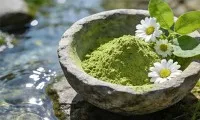
Take Butterfly Pea Flower Extract for example. This extract is rich in anthocyanins, which are powerful antioxidants. When added to food and drinks, anthocyanins act like little warriors, neutralizing the free radicals before they can cause damage. In a fruit juice, for instance, the Butterfly Pea Flower Extract can slow down the oxidation of the natural pigments in the juice, keeping its color bright and fresh for longer.


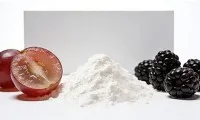
Another great natural antioxidant is Black Currant Fruit Powder. It contains vitamin C, which is well - known for its antioxidant properties. Vitamin C reacts with the free radicals in food and drinks, effectively preventing them from oxidizing the other components. This is especially useful in dairy products. When we add Black Currant Fruit Powder to yogurt, for example, the vitamin C helps to keep the milk fats from going rancid and also maintains the freshness of the flavor.
Synthetic Antioxidants in Food and Drink Additives
Apart from natural antioxidants, there are also synthetic ones that are widely used in the industry. These are often more stable and have a longer shelf - life when compared to natural antioxidants.
Sucrose Fatty Acid Ester, or SFAE for short, is a popular synthetic antioxidant. Sucrose Fatty Acid Ester forms a protective layer around the food or drink components. This layer acts as a barrier between the product and the oxygen in the air. In fried foods, for example, SFAE can prevent the oil from being oxidized. As you know, oxidized oil can lead to a burnt taste and the formation of harmful substances. By using SFAE, we can extend the shelf - life of fried products and keep them tasting great.
How Do These Additives Work at a Molecular Level?
At the molecular level, antioxidants work by donating an electron to the free radicals. Free radicals are unstable because they have an unpaired electron. When an antioxidant donates an electron, the free radical becomes stable, and the chain reaction of oxidation is broken.
Let's say we have a lipid molecule in an oil - based food product. When oxygen attacks this lipid molecule, it forms a lipid radical. This lipid radical can then react with more oxygen and other molecules, leading to a chain reaction of oxidation. But when an antioxidant like vitamin C from Black Currant Fruit Powder is present, it gives an electron to the lipid radical. This makes the lipid radical stable, and the oxidation process stops right there.
Factors Affecting the Efficiency of Antioxidants
The efficiency of food and drink additives in preventing oxidation is not always the same. There are several factors that can influence how well they work.
One of these factors is the concentration of the antioxidant. If there isn't enough of it in the product, it might not be able to neutralize all the free radicals. For example, if we add just a tiny amount of Butterfly Pea Flower Extract to a large batch of juice, it may not be sufficient to prevent oxidation effectively. On the other hand, adding too much of an antioxidant can also be a problem. It can change the taste and texture of the product in an undesirable way.
Temperature is another important factor. High temperatures can accelerate the oxidation process. In a hot climate, food and drinks are more likely to oxidize quickly. Antioxidants may work less efficiently in these conditions. Some antioxidants may even break down at high temperatures, losing their ability to prevent oxidation.
The pH level of the product also matters. Different antioxidants work best at different pH levels. For instance, some antioxidants are more effective in acidic environments, while others work better in neutral or alkaline conditions. When formulating a food or drink product, we need to consider the pH and choose the appropriate antioxidant.
The Role of Food and Drink Additives in the Industry
In the food and drinks industry, oxidation control is crucial. It helps to ensure the quality and safety of products. Consumers expect their food and drinks to look, smell, and taste good when they buy them. By using additives to prevent oxidation, manufacturers can meet these expectations and also reduce waste.
Food and drink additives like those we supply are used in a wide range of products. From bakery items to beverages, and from processed meats to dairy products, they play a vital role in keeping these products fresh. In the bakery, antioxidants can prevent the fats in the dough from going rancid, which helps to maintain the softness and flavor of the bread. In the beverage industry, they can keep the color and taste of fruit juices and carbonated drinks consistent.
Why Choose Our Food and Drink Additives?
As a supplier, we take pride in offering high - quality food and drink additives. Our products are carefully selected and tested to ensure they meet the highest standards. We source the best natural ingredients for our natural antioxidants, and our synthetic antioxidants are produced under strict quality control measures.
We also understand that different customers have different needs. Whether you're a small - scale artisanal food producer or a large - scale industrial manufacturer, we can provide you with the right additives in the right quantities. Our team of experts is always ready to offer advice on which additives are most suitable for your products and how to use them effectively.
If you're looking to improve the shelf - life and quality of your food and drink products by preventing oxidation, we'd love to talk to you. Whether you have questions about Butterfly Pea Flower Extract, Black Currant Fruit Powder, Sucrose Fatty Acid Ester, or any of our other products, feel free to reach out and start a conversation. We're here to help you take your products to the next level.
References
- Havsteen, B. H. (2002). The biochemistry and medical significance of the flavonoids. Pharmacological research, 47(5), 451 - 460.
- Shahidi, F., & Zhong, Y. (2015). Food antioxidants: Sources, health effects, and industrial applications. CRC Press.
- Pokorny, J., Yanishlieva - Maslarova, N., & Gordon, M. H. (2019). Antioxidants in food: practical applications. CRC Press.