




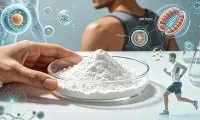
Kojic acid is rapidly gaining popularity in our daily lives and you can find it in products used to whiten skin and teeth. Because of its mildness, it is gradually starting to replace the hydroquinone found in many bleaching agents. Kojic acid can be used on dull skin tones as it only deals with dark spots and signs of hyperpigmentation that are not otherwise present in your natural skin tone. These marks may be due to sun damage, or hyperpigmentation problems during pregnancy which causes the skin to turn dark and yellow. Next, we'll take a closer look at Kojic acid.
What is Kojic acid?
The name Kojic is derived from the Japanese term "tune", which means "steamed rice". It was first discovered in Japan in 1907 when it was isolated from a fungus called Aspergillus oryzae. Kojic acid is a tyrosinase inhibitor, a natural derivative of a fermenting fungus that can be produced by a variety of fungi. What do fungal sources and rice sources have in common? They are both potential sources of Kojic acid and they are also a by-product of food fermentation, including sake and soy sauce. It has skin-brightening properties due to its ability to chelate with the copper-containing tyrosinase enzyme involved in melanin formation.
 | Name | Kojic Acid | CAS No. | 501-30-4 |
| Molecular Weight | 142.11 | Density | 1.5±0.1 g/cm3 | |
| Boiling Point | 401.7±45.0 °C at 760 mmHg | Molecular Formula | C6H6O4 | |
| Melting Point | 152-155 °C(lit.) | Flash Point | 179.9±22.2 °C |
What can Kojic acid do for us?
Kojic acid is used in the pharmaceutical, cosmetic, agricultural, food, and chemical industries. One of the most widespread applications is in the cosmetic and medical industries. It is a whitening ingredient in whitening creams, body lotions, and bleaching soaps as well as in dental and medical care products.

picture from Kojic acid applications in cosmetic and pharmaceutical preparations
1. Natural skin lightener - for hyperpigmentation
Kojic acid lightens abnormal pigmentation such as sun spots, age spots, and dark spots, and prevents the formation of freckles and skin pigmentation after sunburn. Prolonged exposure to sunlight accelerates melanin production, leading to sun spots, age spots, and dark spots when melanin is clumped and produced in high concentrations. Melanin is the pigment that gives color to the skin, eyes, and hair. Our bodies produce melanin with the help of an amino acid called tyrosine.
2. Has antibacterial and antifungal properties
Kojic acid can help treat bacterial skin infections such as acne and fungal skin infections. Despite its limited antibacterial properties, it is very effective against a wide range of bacterial strains, such as tinea pedis and yeast infections on the skin, and can inhibit their growth when used in small dilutions.
3. Agriculture and food industry
Kojic acid is used as an antioxidant, preservative, color fixing agent, and ingredient in foods such as meat. Insecticidal mycotoxin, Chelating agent, Insecticides activator, Pesticides, Fungicides, Change colors of substances.
4. Pharmaceutical and medicine
Anti-fungal,anti-bacterial agent painkiller anti-inflammation drug-free radical preventer cytotoxic agent anti-inflammation pills tyrosinase inhibitor radioprotective agents, macrophage activation de-pigmentation medicines wound healing modulatory effect on cancer cell proliferation anti-diabetic agent schizophrenia chronic and acute inflammatory lung diseases treatment antioxidant iron chelator for topical treatment of wound healing.
5. Chemical industry
Reagent for indetermination substrate for cosmetic acid synthesis, a substrate for pyridone derivatives synthesis, novel chemical complexes used as an intermediate aluminum chelator.

What do you need to know about the use of kojic acid?
A key ingredient in skin-lightening products such as creams, gels, and serums, kojic acid is mixed in varying percentages of 2% to 4%.
1. The combination of vitamin C and kojic acid works better
This combination helps to fade stubborn signs of hyperpigmentation, leaving you with an even, glowing complexion. As Kojic acid also acts as a mild Alpha Hydroxy Acid, it properly exfoliates the skin, thus allowing vitamin C to work better on dark spots and dullness. It can also be used in combination with retinol, glycolic acid, and arbutin to enhance its benefits.
2. Kojic acid soaps cleanse and moisturize the skin
Most of the products on the market are in the form of a kojic acid soap, which is made by combining kojic acid with some mild ingredients and some nourishing compounds (such as vitamin E and glycerine). This makes the soap non-drying and the lather more gentle, which helps to cleanse the skin internally.
3. How long does it take to get results with kojic acid
The desired results of kojic acid may vary from person to person, depending on the type of skin and the severity of the condition. Kojic acid is not cytotoxic and therefore will not lighten your skin tone permanently. Although products containing kojic acid are effective for many people, those with skin conditions that reduce hyperpigmentation (e.g. vitiligo sufferers) should not go for it.
Side effects of using Kojic?
1. Kojic acid is useful for people with skin blemishes, hyperpigmentation, scars, and dark spots. Although kojic acid is considered a fairly safe ingredient to use on all skin types, people suffering from any specific skin condition should avoid using kojic acid. For example, people with allergies should always use caution. Do not use the ingredient on broken or irritated skin. A safety review of tretinoin concluded that concentrations of up to 2% could be safely applied topically and left on overnight.
2. As kojic acid reduces the melanin content in the area of application, this may put you at risk of being more sensitive to sunburn. The skin in the area of application may be irritated causing a slight rash, itching, or dryness and it is recommended that you use it in combination with a product that protects you from the sun.
What is the relationship between kojic acid and Koji Acid Dipalmitate?
Both kojic acid and Koji Acid Dipalmitate are important whitening agents in the cosmetics industry. But kojic acid can be used in many more applications. Kojic acid is a chelating agent and is a by-product of fungal fermentation, whereas Koji Acid Dipalmitate is a diesterified derivative of triglyceride. Koji Acid Dipalmitate is more stable than Koji Acid.
| Kojic Acid | Kojic Acid Dipalmitate | |
| DEFINITION | Kojic acid is a chelation agent formed as the byproduct of fermentation of malting rice used for Japanese rice wine. | Kojic acid dipalmitate or KAD is a diesterified derivative of kojic acid. |
| WHITENING EFFECT ON THE SKIN | Less effective comparatively | Highly effective |
| STABILITY | Comparatively low | Very high |
| APPLICATION | Includes prevention of oxidative browning when cutting fruits, preserving the pink and red color in seafood, lightening the skin when used in cosmetics, and treating skin diseases such as melasma. | A whitening agent can fight age spots, pregnancy marks, freckles, and general skin pigmentation disorders on the face and body. |
If you have any questions you are welcome to contact us at sales@botanicalcube.com