



Cinnamon bark extract has gained significant attention in recent years for its potential health benefits, including antioxidant, anti - inflammatory, and antidiabetic properties. As a supplier of high - quality cinnamon bark extract, I often receive inquiries about the recommended dosage. In this blog post, I aim to provide a comprehensive overview of the appropriate dosages based on scientific research and practical use.
Understanding Cinnamon Bark Extract
Cinnamon bark extract is derived from the bark of the cinnamon tree, typically Cinnamomum verum (also known as true cinnamon) or Cinnamomum cassia. These extracts are rich in bioactive compounds such as cinnamaldehyde, cinnamic acid, and polyphenols, which are responsible for their health - promoting effects.
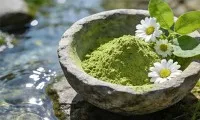
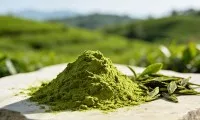
There are different forms of cinnamon bark extract available in the market, such as Dalchini Extract Powder, Water Soluble Cinnamon Extract, and Cinnamon Extract Powder. Each form may have different concentrations of active ingredients, which can influence the recommended dosage.
Factors Affecting the Recommended Dosage
-
Purpose of Use:
- General Health Maintenance: For individuals looking to boost their overall health, a lower dosage of cinnamon bark extract may be sufficient. Cinnamon's antioxidant properties can help protect cells from oxidative stress, and a small amount may contribute to long - term health benefits.
- Managing Specific Conditions: In cases where cinnamon bark extract is used to manage specific health conditions such as diabetes or high cholesterol, a higher dosage may be required. However, it should always be used in conjunction with medical advice.
-
Individual Health Status:
- Age and Weight: Younger individuals and those with lower body weights may require a lower dosage compared to older or heavier individuals.
- Health Conditions: People with pre - existing health conditions, especially liver or kidney problems, may need to be more cautious with the dosage of cinnamon bark extract. Cinnamon contains coumarin, which in high doses may have potential liver and kidney toxicity.
-
Extract Concentration:
- The concentration of active ingredients in the cinnamon bark extract can vary greatly. Highly concentrated extracts may require smaller dosages compared to less concentrated ones.
Recommended Dosages Based on Research
-
General Health Maintenance
- For a cinnamon bark extract standardized to 5% - 10% cinnamaldehyde, a daily dosage of 500 - 1000 mg is generally considered safe and effective for general health promotion. This dosage can be taken in one or two divided doses.
-
Diabetes Management
- Many studies on cinnamon bark extract and diabetes have used dosages ranging from 1 - 6 grams per day. However, a more conservative approach would be to start with 1 - 2 grams per day and monitor blood sugar levels closely. It's important to note that cinnamon bark extract should not replace prescribed diabetes medications but can be used as an adjunct therapy under medical supervision.
-
Cholesterol and Lipid Management
- Research suggests that a daily dosage of 1 - 3 grams of cinnamon bark extract may help improve cholesterol levels. This includes reducing LDL (bad) cholesterol and increasing HDL (good) cholesterol. Again, individual responses may vary, and it's advisable to consult a healthcare provider.
Safety Considerations
-
Coumarin Content:
- Cinnamon cassia contains higher levels of coumarin compared to Cinnamomum verum. Long - term intake of high doses of coumarin may be associated with liver and kidney damage. As a general rule, the recommended daily intake of coumarin should not exceed 0.1 mg per kilogram of body weight. When selecting a cinnamon bark extract, it's important to choose one from a reliable source that provides information on the coumarin content.
-
Interactions with Medications:
- Cinnamon bark extract may interact with certain medications, such as anticoagulants (blood thinners), diabetes medications, and antibiotics. If you are taking any medications, it's crucial to consult your healthcare provider before starting to use cinnamon bark extract.
How to Incorporate Cinnamon Bark Extract into Your Diet
-
Capsules and Tablets:


- The most convenient way to take cinnamon bark extract is in capsule or tablet form. They are easy to swallow and allow for accurate dosage.
-
Powdered Form:
- Dalchini Extract Powder and Cinnamon Extract Powder can be added to smoothies, yogurt, or oatmeal. They can also be mixed with water or juice.
-
Water - Soluble Extract:
- Water Soluble Cinnamon Extract is ideal for those who want to add cinnamon extract to beverages. It dissolves easily in water and can be used in tea, coffee, or other drinks.
Conclusion
Determining the recommended dosage of cinnamon bark extract depends on various factors, including the purpose of use, individual health status, and extract concentration. While cinnamon bark extract offers potential health benefits, it's important to use it responsibly and under the guidance of a healthcare provider, especially if you have pre - existing health conditions or are taking medications.
As a supplier of high - quality cinnamon bark extract, we are committed to providing our customers with pure and effective products. Our extracts are carefully sourced and tested to ensure the highest standards of quality and safety. If you are interested in purchasing our cinnamon bark extract products or have any questions about dosage and usage, we invite you to reach out to us for a consultation and procurement discussion.
References
- Anderson, R. A., Broadhurst, C. L., Polansky, M. M., Potter, S. M., Weihrauch, J. L., & Ghosh, S. (2004). Isolation and Characterization of Polyphenol Type - A Polymers from Cinnamon as Potent Insulin - Enhancing Compounds. Journal of Agricultural and Food Chemistry, 52(6), 1721 - 1725.
- Khan, A., Safdar, M., randomized, placebo - controlled clinical trial of cinnamon extract and metformin in type 2 diabetes. Diabetes Care, 30(8), 2084 - 2089.
- Stohs, S. J., & Hartman, T. (2015). Coumarin: a review of its metabolism, toxicity, and results of toxicological studies. Food and Chemical Toxicology, 78, 21 - 33.